HVAC Services: Your Relaxation Is Our Primary Goal
HVAC systems serve an vital role in ensuring indoor comfort. They regulate air quality and temperature, impacting overall well-being. However, many homeowners miss the signs of potential issues. Understanding these signs is important for successful management. Consistent repairs and regular maintenance can stop bigger problems down the line. But how does one locate the right providers? The responses may surprise you and could revolutionize your indoor experience.
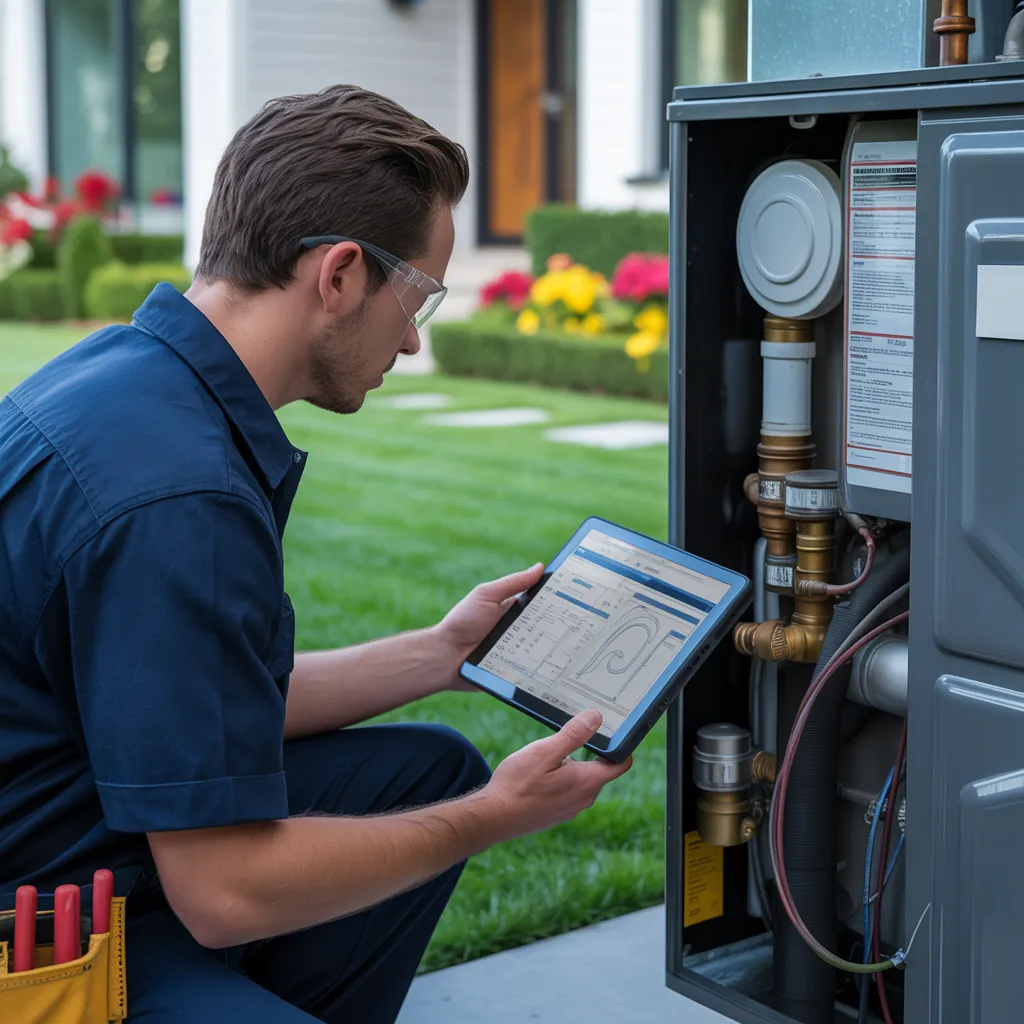
Why HVAC Systems Make a Difference for Your Personal Comfort
HVAC systems serve a vital function in maintaining interior climate control year-round. These systems control temperature, humidity, and air quality, guaranteeing a comfortable setting regardless of external weather conditions. In summer, air conditioning provides relief from heat, while heating systems combat the chill of winter. Adequate air circulation is imperative, as it eliminates stale air and brings in fresh air, which promotes overall well-being.
Furthermore, HVAC systems improve energy efficiency by optimizing energy use, contributing to reduced monthly bills. A well-maintained system operates quietly and effectively, limiting interruptions in regular routines. The filter systems also hold considerable importance in enhancing indoor air conditions by trapping dust, allergens, and pollutants, benefiting lung health. As a result, a reliable HVAC system is not merely a convenience; it is a key element for enhancing comfort, health, and energy efficiency within residential and commercial spaces.
Methods to Spot HVAC Issues Early On?
How can one detect HVAC issues before they worsen? Early recognition is vital for keeping a comfortable environment. One of the earliest signs of trouble is unusual noises, such as banging or whistling, which may indicate mechanical failures. Additionally, inconsistent temperatures throughout the home can suggest air duct problems or an inefficient thermostat. Homeowners should be vigilant for unpleasant odors, which could suggest mold growth or electrical issues within the system.
An additional sign is an increase in energy bills. If costs increase suddenly, it may be due to the HVAC system operating at greater capacity than required. Frequently inspecting air filters is essential, as clogged filters can impede operation. Finally, moisture or leaks around the system can point to coolant problems or drainage problems. By observing these signs, one can address HVAC issues promptly, ensuring peak performance and ease.
Necessary HVAC Systems for Your Home
Delving into essential HVAC services for homes, understanding the necessity of periodic maintenance is paramount. Additionally, efficiency improvements can greatly reduce utility costs while enhancing comfort. rapid repair services are also vital, confirming that homeowners can quickly address unexpected issues.
Routine Maintenance Relevance and Benefits
Regular maintenance is essential for guaranteeing the longevity and performance of heating, ventilation, and air conditioning systems. Without routine check-ups, small issues can escalate into expensive repairs or replacements. Scheduled maintenance allows technicians to examine and service components, ensuring peak functionality. This preventive approach not only lengthens the life of the equipment but also improves indoor air quality by removing dust and allergens. Additionally, regular maintenance helps identify potential problems before they interfere with system performance, offering peace of mind to homeowners. Adhering to a maintenance schedule can also improve energy efficiency, leading to lower utility bills. Ultimately, investing in routine HVAC maintenance safeguards comfort and encourages a healthier living environment.
Power Efficiency Modifications
Energy efficiency modifications prove vital an integral role in improving HVAC systems for homeowners. These upgrades not only lower energy consumption but also cut utility bills, making them a sound investment. Common upgrades include the installation of programmable thermostats, high-efficiency filters, and advanced insulation. Homeowners may also consider replacing outdated units with Energy Star-rated equipment, which offers improved performance and reduced environmental impact. Additionally, sealing ductwork can linked article stop energy loss, ensuring that conditioned air reaches its intended spaces. By implementing these upgrades, homeowners can augment comfort levels while contributing to sustainability efforts. Ultimately, investing in energy efficiency not only benefits individual households but also promotes a healthier planet for future generations.
Critical Fix Solutions
When heating and cooling systems go wrong, prompt emergency repair services are crucial for homeowners. These sudden breakdowns can cause uncomfortable living conditions, especially during extreme weather. Skilled technicians are trained to diagnose and fix issues quickly, bringing back comfort and safety to the home. The services usually include 24/7 availability, ensuring that assistance is always just a call away. Typical emergencies include malfunctioning air conditioners, heating failures, and refrigerant leaks, which can worsen into more serious problems if not addressed. Homeowners gain from rapid response and professional solutions, reducing downtime and possible damage. Investing in dependable emergency repair services not only tackles immediate problems but also helps prolong the life and efficiency of HVAC systems. Giving priority to these services ensures peace of mind throughout the year.
The Importance of Ongoing HVAC Care
Dedicating resources to regular HVAC maintenance strengthens system performance and increases equipment durability. Routine checks and adjustments detect possible issues before they escalate into expensive restoration expenses. During maintenance visits, technicians clean components, check refrigerant levels, and ensure that all parts are performing at optimal performance, which can produce reduced energy bills and better indoor air quality.
Moreover, routine maintenance can help maintain warranty coverage, as many manufacturers demand proof of diligent upkeep. Homeowners enjoy confidence, knowing their HVAC systems are less likely to break down unexpectedly. This preventive approach not only guards comfort but also fosters a cleaner living environment.
In the final analysis, the advantage of consistent HVAC maintenance resides in its ability to reduce disruptions, improve performance, and save money in the long term. By prioritizing upkeep, residents can guarantee their HVAC systems operate smoothly for years ahead.
How to Select the Best HVAC Solutions?
How might you identify the best HVAC solutions obtainable? First, potential clients should search for suggestions from loved ones, peers, or online ratings to assess satisfaction levels. A reputable company often displays a history of positive feedback. Next, one must establish credentials; accredited and insured technicians prove professionalism and adherence to safety standards. Evaluating the range of services offered is vital; the best providers should provide installation, maintenance, and repairs.
Additionally, procuring multiple quotations permits for assessment of rates and service options, providing transparency. It is also advisable to inquire about coverage and assurances, which reflect the company's confidence in its work. Finally, responsiveness to inquiries can suggest a provider's dedication to customer service. By considering these factors, individuals can determine an educated decision, providing comfort and reliability in their HVAC system.
Boosting Indoor Air Quality Through HVAC Systems
Opting for the right HVAC services not only increases comfort but can also greatly influence indoor air quality. A properly maintained system assures proper ventilation and filtration, decreasing pollutants such as dust, allergens, and mold spores. HVAC professionals often recommend high-efficiency particulate air (HEPA) filters, which trap microscopic particles more effectively than standard filters.
Regular maintenance, such as duct cleaning and checking for leaks, is essential for maximum output. This preventive tactic circumvents the formation of pollutants that can compromise air quality. In addition, advanced HVAC systems like air purifiers and dehumidifiers can considerably reduce dangerous contaminants and humidity levels, creating a healthier indoor environment.
Frequently Requested Questions
What Represents the Average Lifespan of an HVAC System?
An HVAC system's average lifespan typically falls between 15 to 25 years, determined by factors including maintenance, usage, and the system's quality. Regular care can markedly extend its operational longevity.
What indicators show whether my system uses energy efficiently?
To establish if a system is energy efficient, one should examine its SEER rating, monitor energy bills over time, and consider professional evaluations. Furthermore, regular maintenance can strengthen efficiency and performance remarkably.
Can You Find Financing Options for HVAC Services?
Many HVAC companies provide financing options, such as installment plans and credit programs. These options enable customers to handle costs effectively, making it simpler to purchase necessary services while maintaining comfort and efficiency in their homes.
Am I able to install an HVAC system without professional help?
It is possible to put in an heating, ventilation, and air conditioning system by oneself, though it is strongly advised against. Professional installation assures security, code compliance, and best functionality. Inexperienced individuals could run into problems that may cause expensive mistakes and poor operation.
What Are the Red Flags I Need a New HVAC Unit?
Indicators suggesting the need for a new HVAC system include regular failures, rising energy bills, variable temperature control, unusual noises, and age exceeding 10-15 years. These factors suggest reduced efficiency and likely malfunction, warranting replacement thought.